Taipei Film Festival selects eleven Norwegian classics to look back at the Scandinavian cinema legends Anja Breien’s “Wives” trilogy will be screened at Taipei Film Festival to demonstrate women’s strength in the Scandinavian films


2025/04/28
Today, the 27th Taipei Film Festival unveils another batch of films selected for “City in Focus,” including eleven Norwegian classics made between the 1950s and the 1990s. In addition, it announces the third “Filmmaker in Focus” – Anja Breien, who is hailed as the vanguard of the Scandinavian women’s cinema. Her best-known films, the “Wives” trilogy, will be screened at Taipei Film Festival; from the memories of the city to women’s voices, from the confusion of the youth to the historical trauma, these films will accompany the cineastes on their revisit to those moving moments, which marked the milestones in the Scandinavian cinema.
Directed by Edith Carlmar, The Wayward Girl depicts a young couple’s disillusion with the reality and the class conflicts after they eloped. It is not only the film, in which the Norwegian national treasure Liv Ullmann made her screen debut but the ending to Carlmar’s career. Since its release in 1959, The Wayward Girl has been wildly discussed, and when it was shown at the 2019 Berlinale, it attracted attention from the new generation of audiences and won Carlmar the recognition as a pioneer Norwegian female director in the history of cinema.
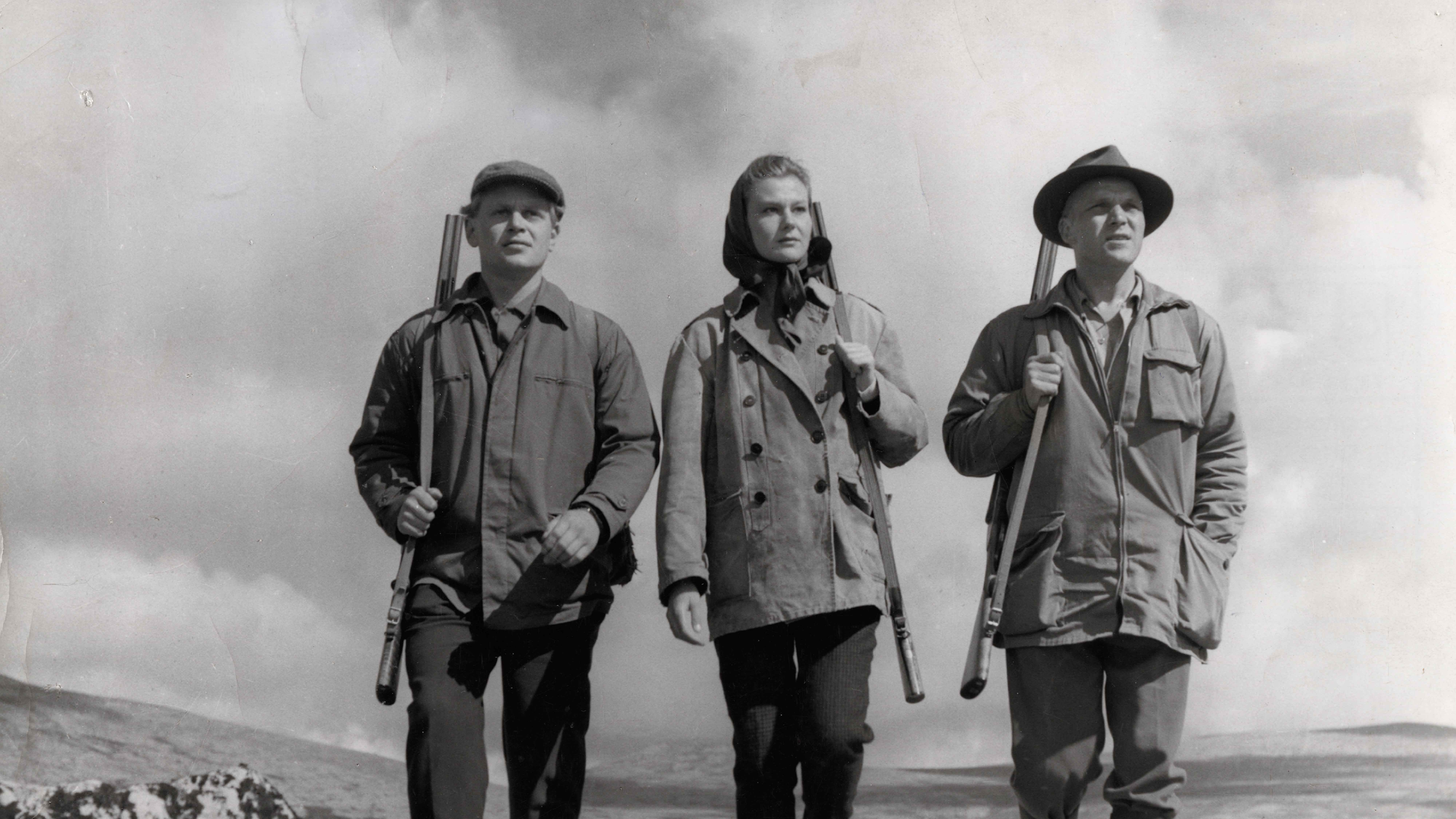
Shot in a cold somber style, The Hunt by the renowned Norwegian director Joachim Trier’s grandfather Erik Løchen focuses on the rivalry between two men, who fall for the same woman on a hunting trip in the wild. With a minimalist approach, Løchen explores the tension stemming from desire, possession, and existence at a suppressed pace in a heavy atmosphere. The Hunt was selected for the 1960 Cannes and praised as one of the pioneers that signified the arrival of psychological realism and speculative philosophy in Norwegian cinema.
A challenge to the traditional narrative structure, Them and Us shows the crazy three-day trip two teenage boys take. Combining realism with black humor, director Svend Wam tackles the social issues in a sarcastic manner and reveals the chaos and isolation among those living on the margin of society. After its world premiere at the 1976 Locarno Film Festival, Them and Us attracted a lot of attention due to its sharp criticism and daring style and has become a representative of Norwegian teen film.
Norwegian director Vibeke Løkkeberg’s feature debut, The Revelation, feels like a confession of one’s soul. It describes a middle-aged woman returning to her hometown to search for the inner rebirth in the crisis of marriage breakdown and identity. Through a poetic visual language, Løkkeberg creates the internal landscape between fantasy and reality; her distinctive aesthetics took the 1977 Locarno Film Festival by storm, and The Revelation was regarded as the beginning of the Scandinavian feminist films.
In contrast to the grand narrative of war films, Little Ida portrays the social exclusion and moral judgment resulting from the post-war resentment through a child’s point of view. Director Laila Mikkelsen transforms a semi-autobiography into a powerful story on the screen, revealing the harm the post-war resentment done to the innocent. The lead actors’ restrained and exquisite performance won them Best Actress at the Swedish Guldbagge Awards in 1982, and the film gained such international accolade that it helped Mikkelsen establish her position as a director.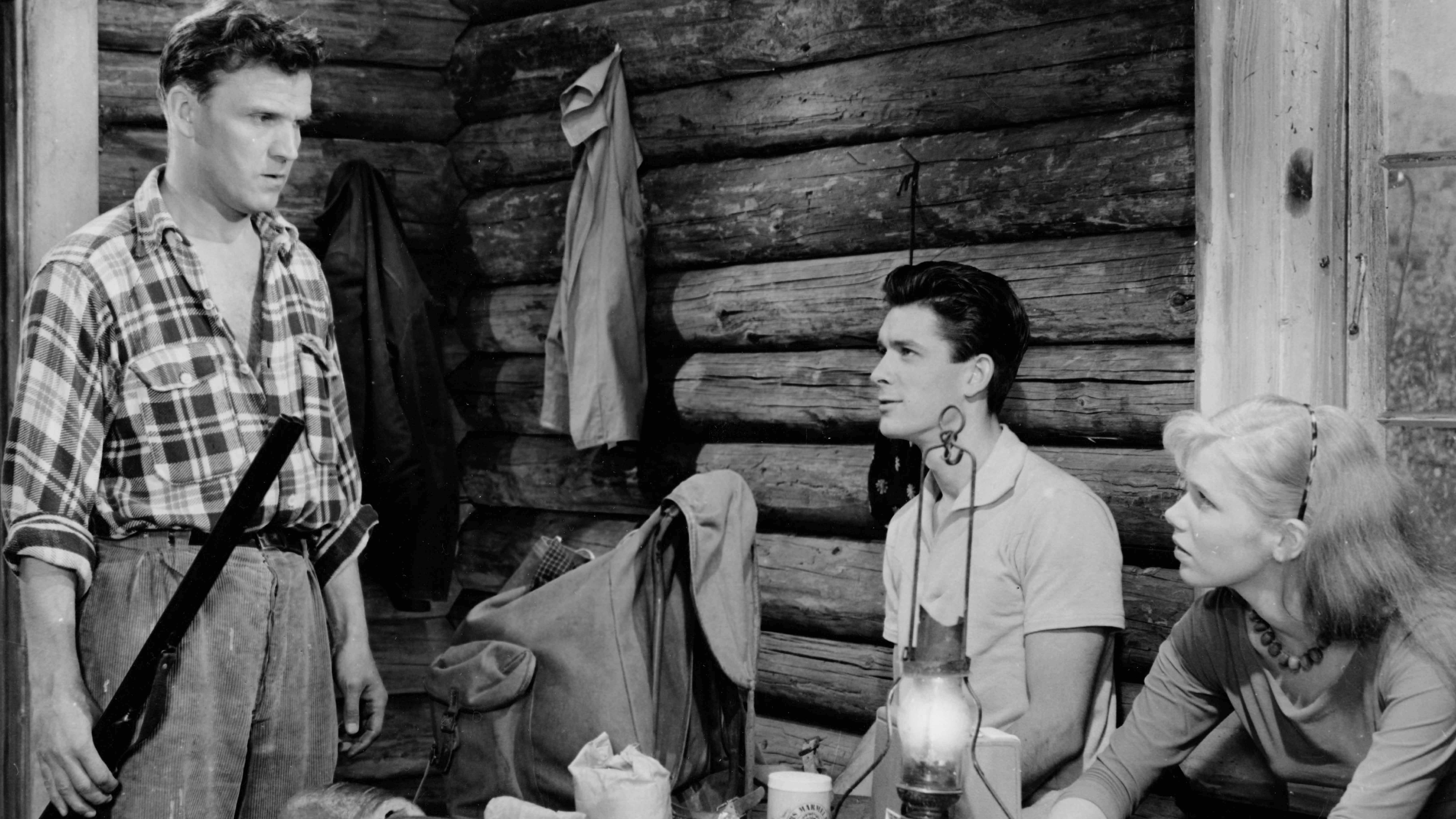
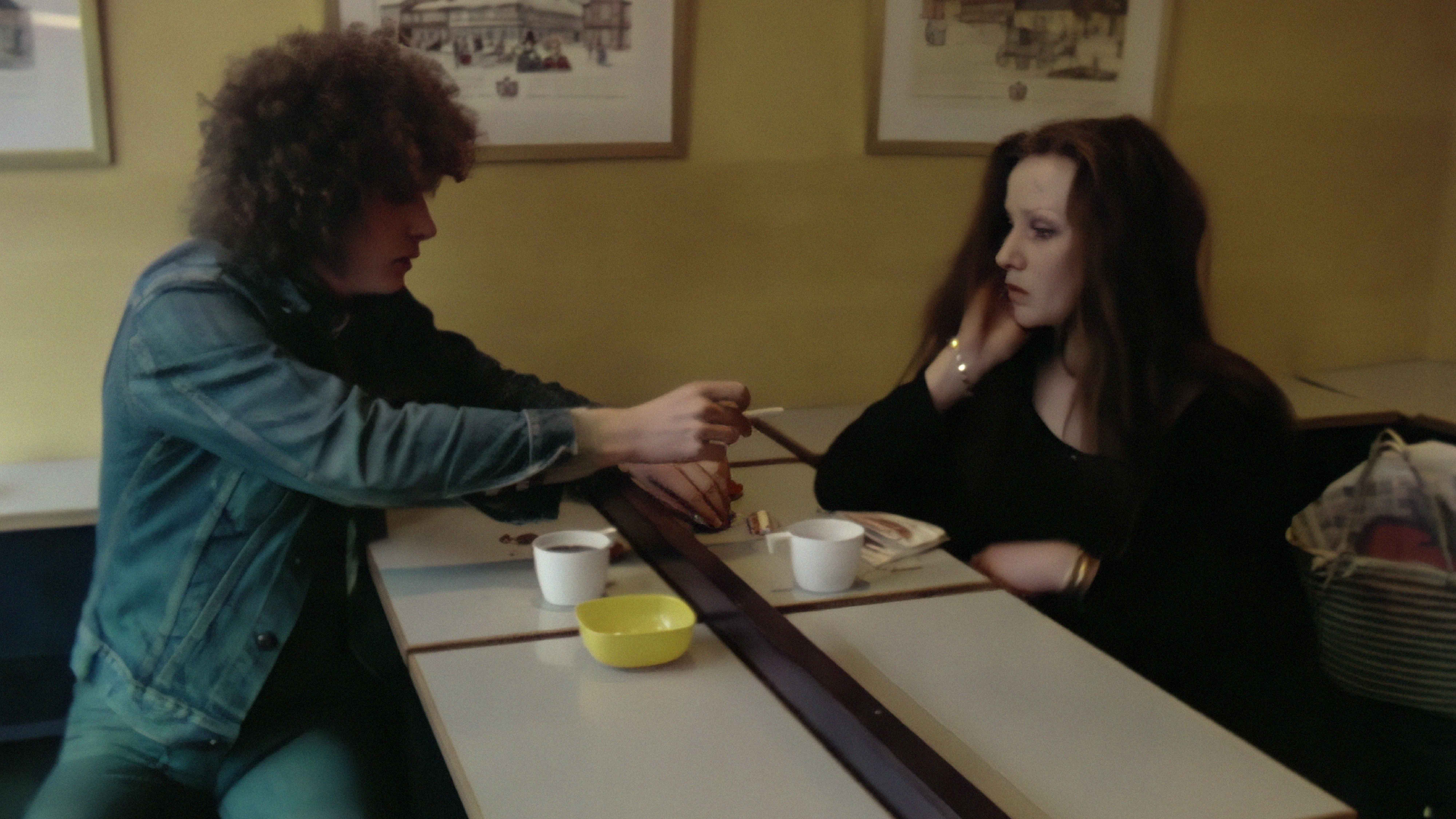
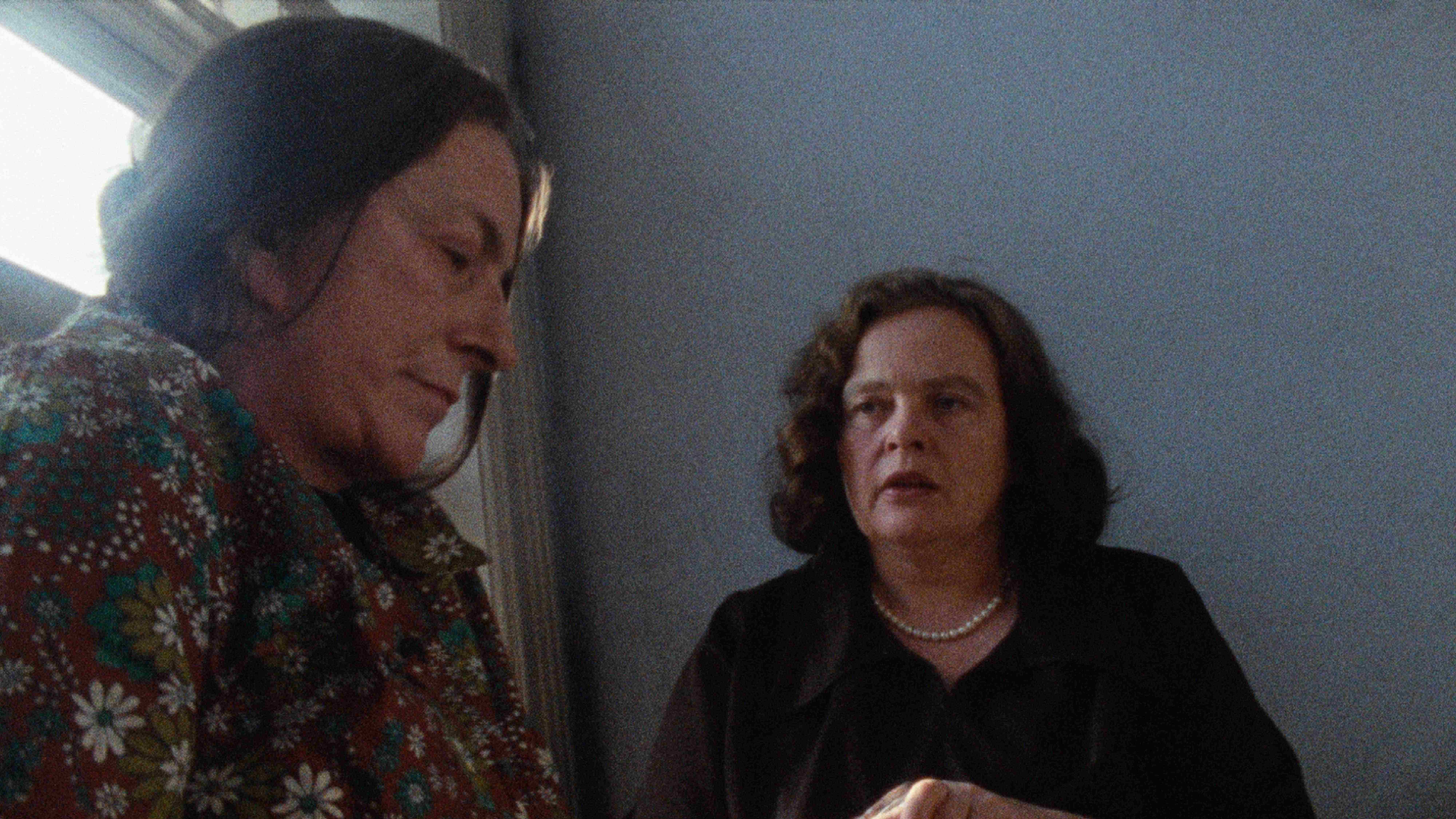
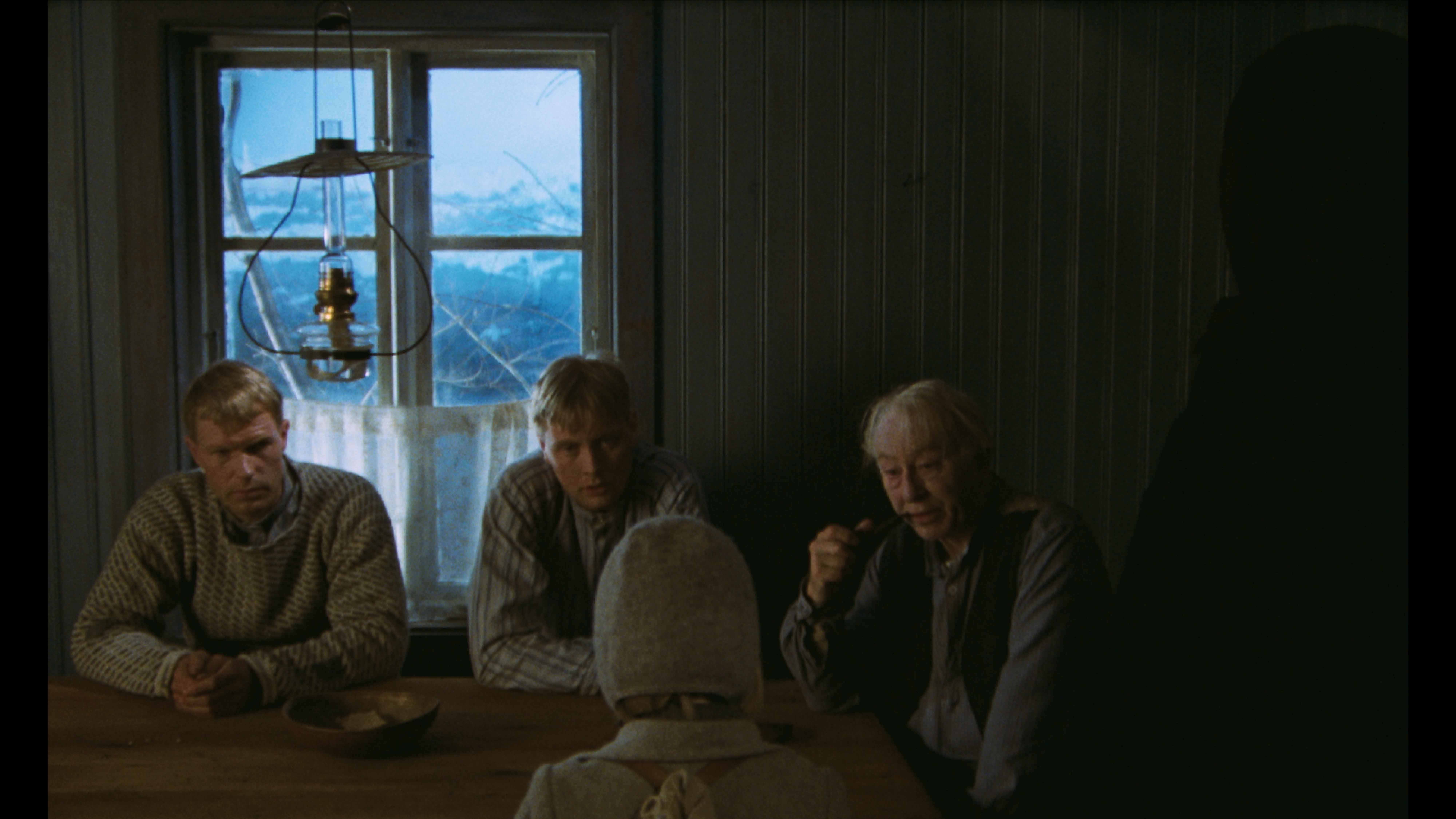
A selection of six Anja Breien’s best-known works to witness the wave of Scandinavian women’s cinema
Anja Breien, the most representative of Norwegian female directors, is hailed as the vanguard of the Scandinavian women’s filmmaking. Breien is specialized in looking directly at the gender inequality and systemic oppression calmly through the lenses. Working in feature and documentary, Breien depicts the Norwegian women’s psychological experience and social position in detail. This year, Taipei Film Festival selects six of her best-known works, providing the audiences with a truly rare opportunity.
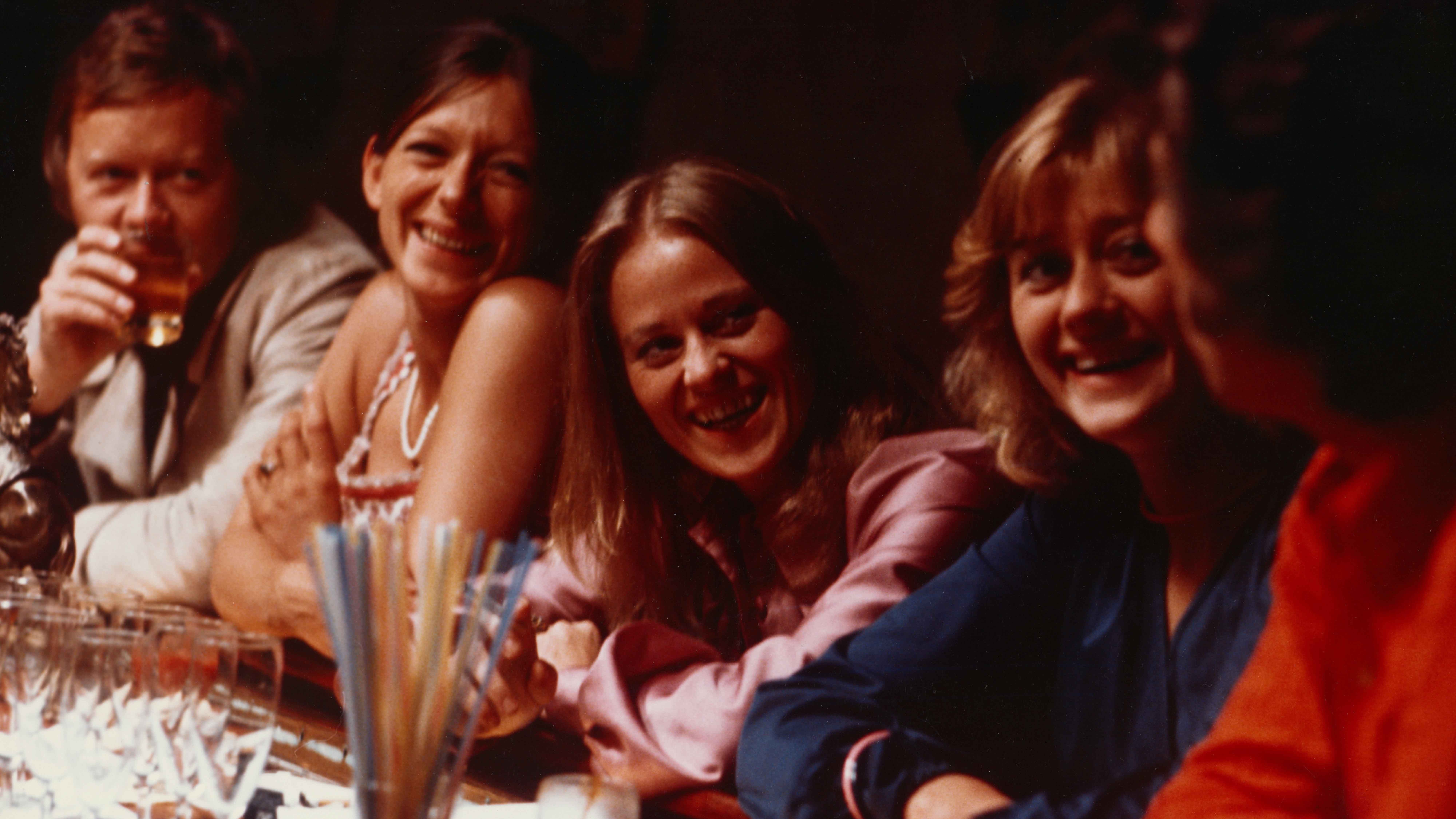
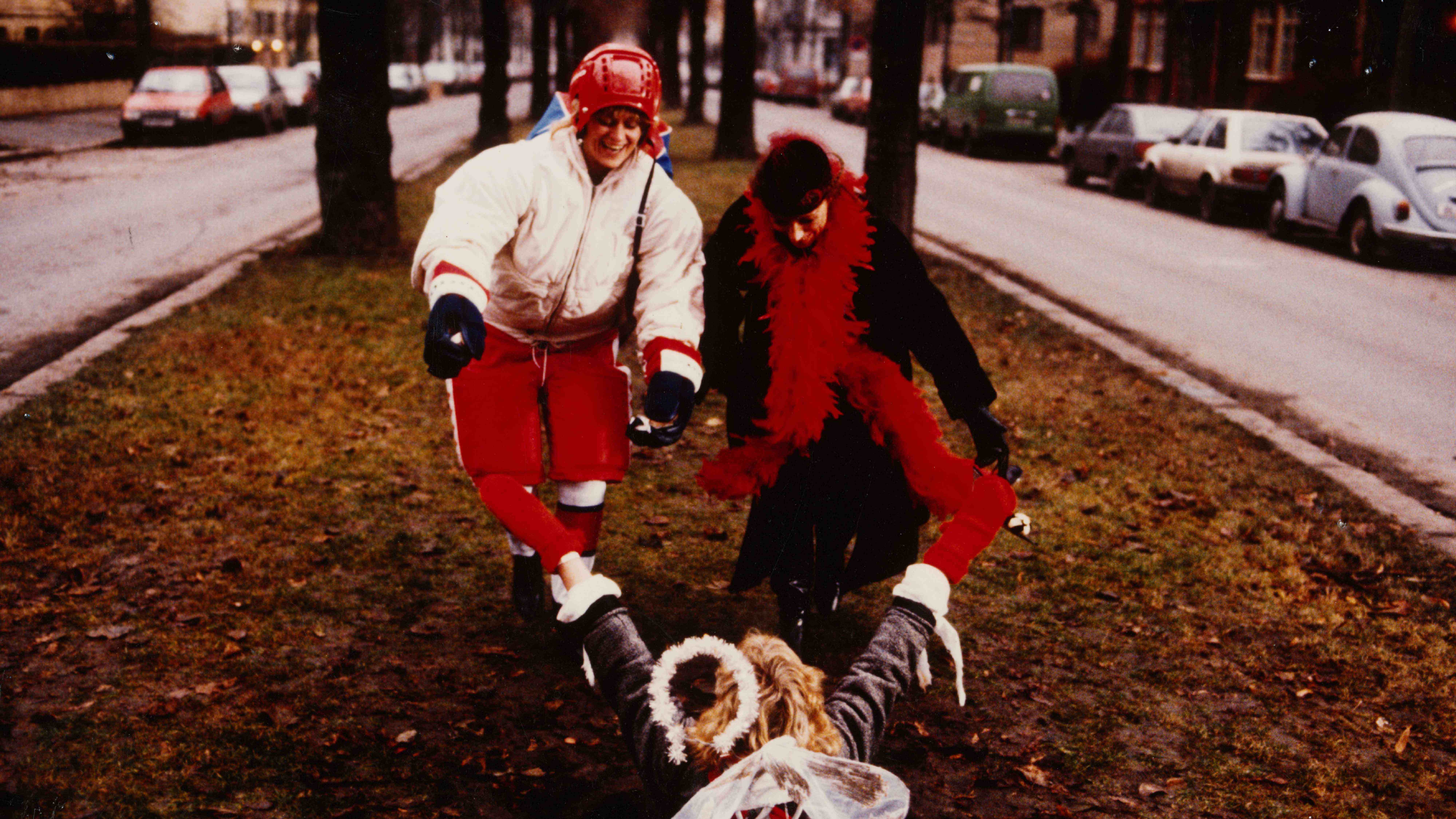
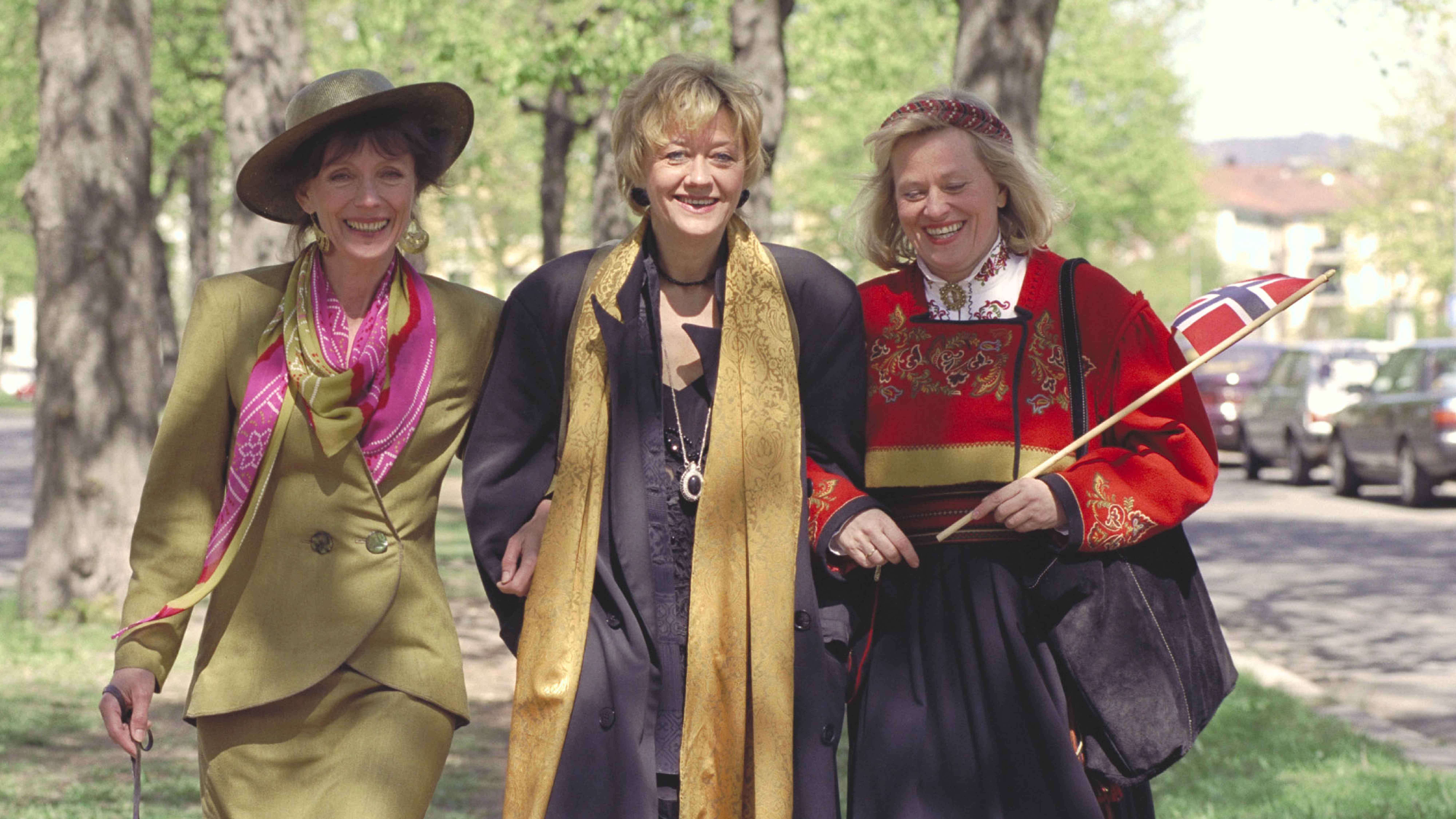
Director Anja Breien made her name with Wives, which is seen as a response to Husbands directed by John Cassavetes. Wives describes how three women in their thirties go on an outing after the class reunion to search and regain the control of themselves and their lives. In a style that resembles documentary, the film captures the fragments in daily life and the conversation about gender, demonstrating women’s courage to look for freedom in a conservative society. Wives not only received a lot of attention worldwide but became the first part of Breien’s Wives trilogy. In Wives, 10 Yeas After, the friendships between the three heroines continue as the film shows how they experience the changes in their relationships and bodies in midlife. With a subtle and humorous approach, Breien portrays the middle-aged women’s struggle between daily life and the absurdity and the strength they demonstrate. Highly acclaimed, Wives, 10 Years After won Best Film and Best Actress at the Amanda Awards in 1986. In Wives III, the heroines are in their fifties, and again, they get together, walking around the city, talking about the past and pondering over their emotions; in the moments in daily life reflects the reality of love and aging. In a style mixed with fantasy and realism, Breien humorously and yet deeply depicts the mature women’s situation in real life and their inner world; Wives III serves as a mature and moving ending to the trilogy.
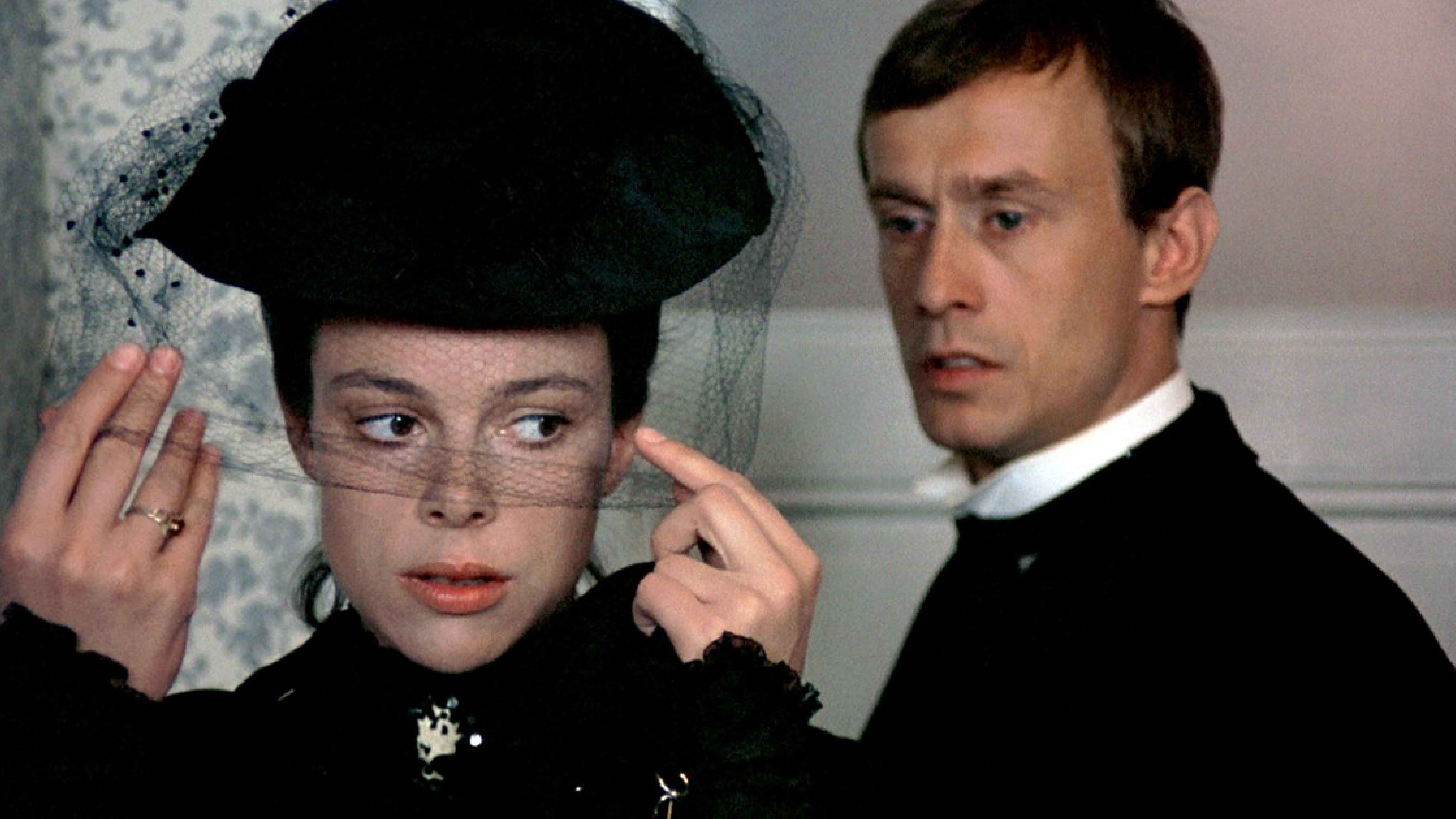
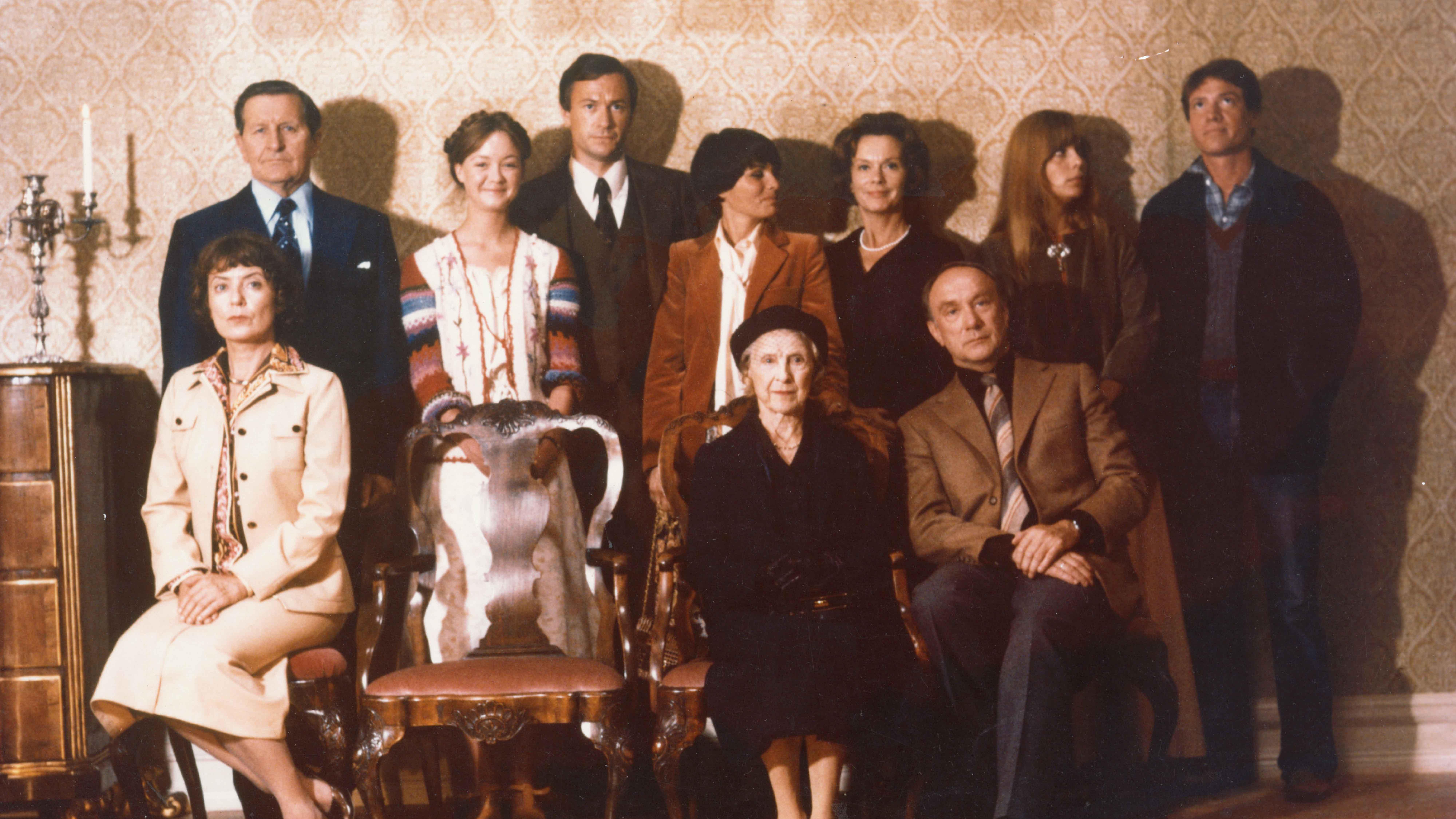
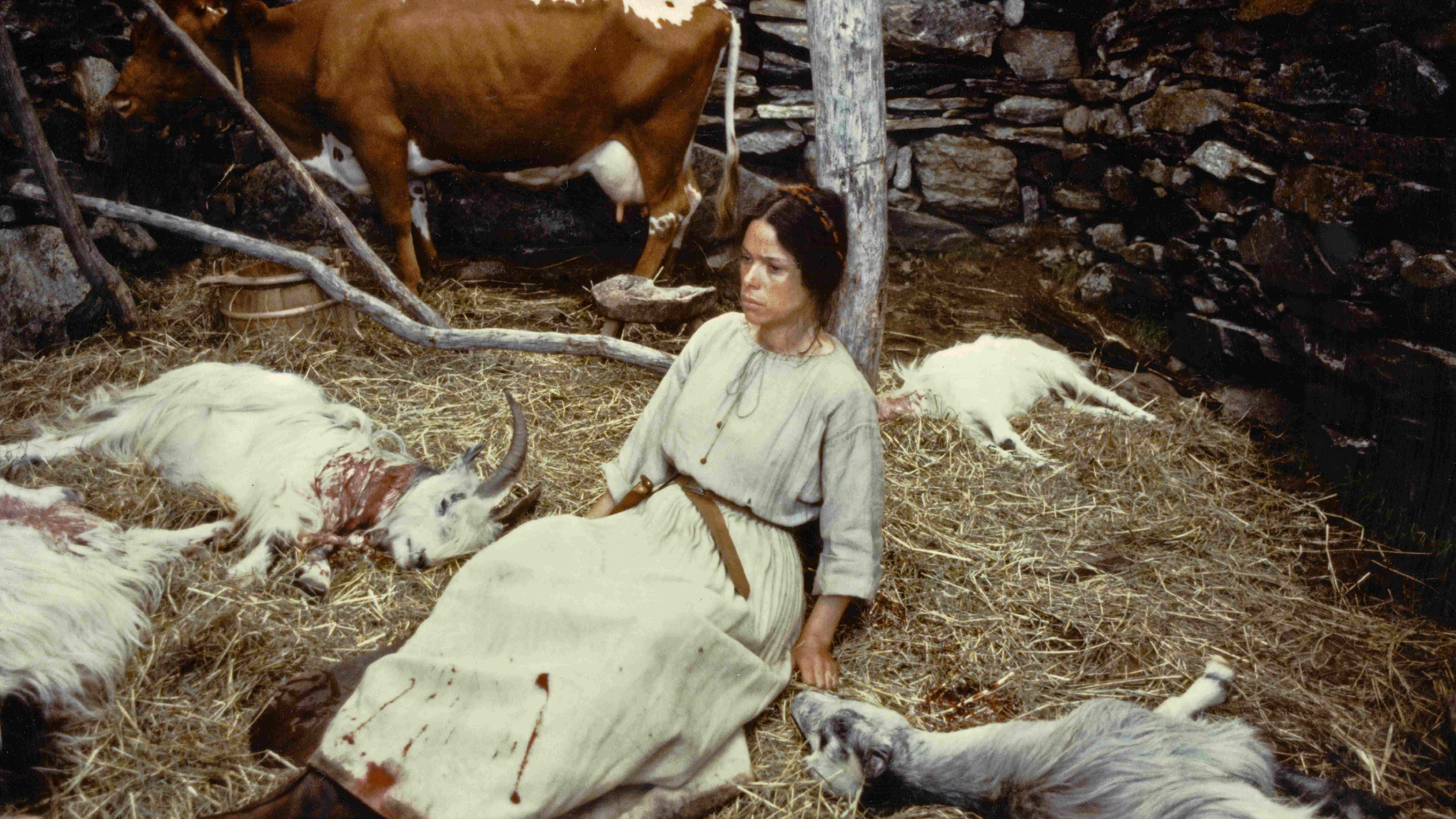
Breien is known for portraying women’s position in depth; spanning across different periods and subjects and looking into the struggle in freedom, emotion, identity, Breien’s works demonstrate a unique women’s viewpoint in the history of European cinema. A screen adaptation of the Swedish novel, Games of Love and Loneliness tells a missed romance due to the difference in the social classes and ambition. Through the voiceover and the letters, the film shows the protagonists making their choice of love during the Russian Revolution and Norwegian independence. Wandering between realism and black humor, Next of Kin reveals how people protect their desires and deal with grief during a preposterous inheritance distribution process. Next of Kin vividly captures the characters’ fight over material wealth and the tangible conflicts in their relationships; it competed at the 1979 Cannes, and Ingmar Bergman thought it should have won the Palm d’Or. In addition, set in the 17th century Norway, The Witch Hunt tells the story of a woman who returns to her hometown after a failed marriage; she is regarded as a witch due to her use of herbal medicine and love affair and gets ostracized. With the cold somber long takes, the film examines how women are isolated in a patriarchy, condemning the fear imposed upon women by history and power. The Witch Hunt put Breien together with Chantal Akerman among the most important female directors in the history of European cinema. The film won Special Mention for Historical Reconstruction and Best Actress at the 1981 Venice Film Festival.
The 27th Taipei Film Festival will be held between June 20 and July 5, 2025, at Taipei Zhongshan Hall, Vie Show Cinema Taipei Hsin Yi, and SPOT-Huashan Cinema. The program and events will be announced in batches, and the Taipei Film Award and the International New Talent Competition nominees will be unveiled respectively on May 15 and mid-May. For more details, please go to Taipei Film Festival official website: https://www.taipeiff.taipei/tw/.