2026 Taipei Film Festival “City in Focus” Spotlights Contemporary Masterpieces from Tehran Six Digitally Restored Works by “Iran’s Shakespeare” Bahram BEYZAIE Poetically Presented in Taipei


April 17, 2026
The 28th Taipei Film Festival announced today (April 17) that it will continue its signature “City in Focus” program by turning its gaze to the mysterious and poetic city of Tehran. Bridging film history classics with contemporary highlights, the section “Tehran: Classics Collection” unveils five internationally acclaimed works in newly restored formats, including Between Dreams and Hope, Black Rabbit, White Rabbit, Cutting Through Rocks, Divine Comedy, and the 4K restoration of Persepolis. These films, created by award-winning directors, offer profound reflections on contemporary Iranian society and its enduring resilience.
In addition, this year’s featured filmmaker, Bahram BEYZAIE, widely known as the “Shakespeare of Iran,” will be honored with six influential digitally restored works, including Downpour and Bashu, the Little Stranger. Blending ancient Persian culture with modern theatrical sensibilities, BEYZAIE’s films invite audiences to experience timeless cinematic poetry.
Winner of the Short Film Palme d’Or at the Cannes Film Festival, director Farnoosh SAMADI presents her second feature, Between Dreams and Hope, inspired by true events. The film follows a young transgender man and his partner as they navigate legal barriers in pursuit of marriage rights. Through a tense and emotionally charged narrative, Samadi portrays moments of courage within restrictive traditions, challenging dominant ideologies and inspiring collective empathy.
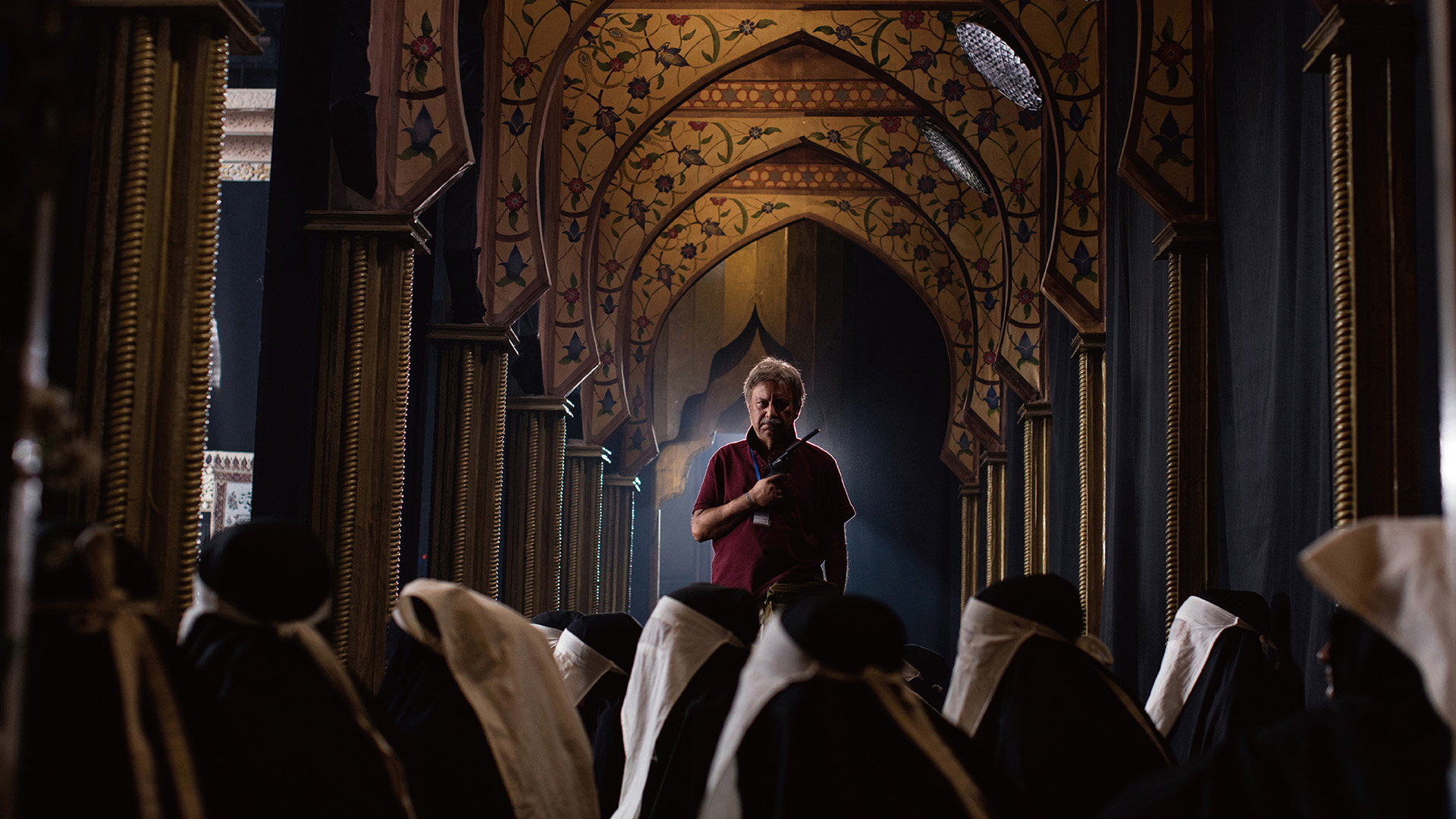
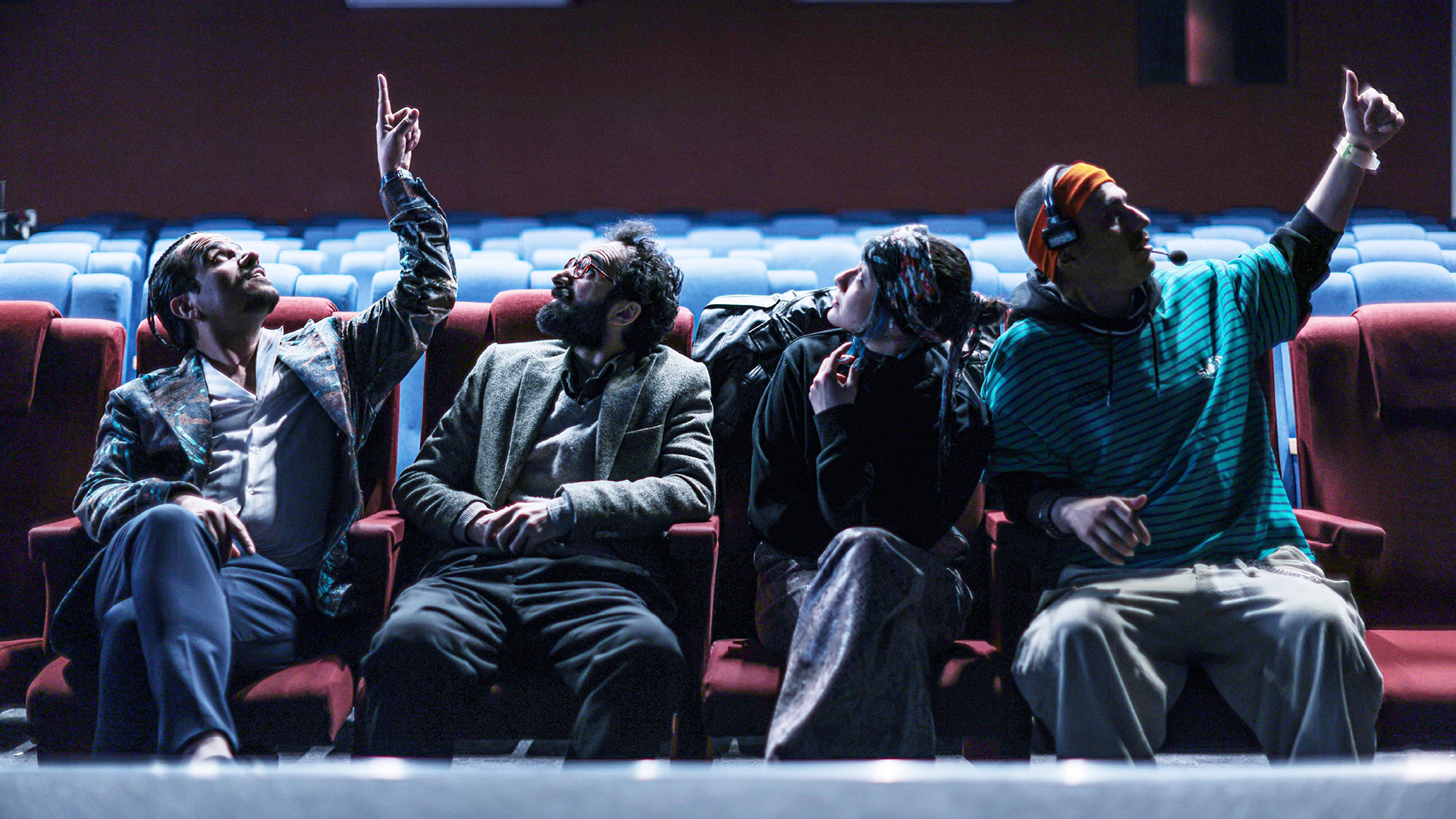
Renowned for his precise mise-en-scène and narrative experimentation, Iranian director Shahram MOKRI, who won the Special Jury Prize in the Orizzonti section at the Venice Film Festival for Fish & Cat, returns with Black Rabbit, White Rabbit. Set on a film shoot, the story unfolds through a long-take structure that spirals into an infinite loop of a film-within-a-film. A prop master worried about real firearms, a young assistant desperate for an audition, and a woman who suspects her husband staged a car accident—all seemingly unrelated—become entangled in a surreal, absurd narrative that playfully expands cinematic boundaries.
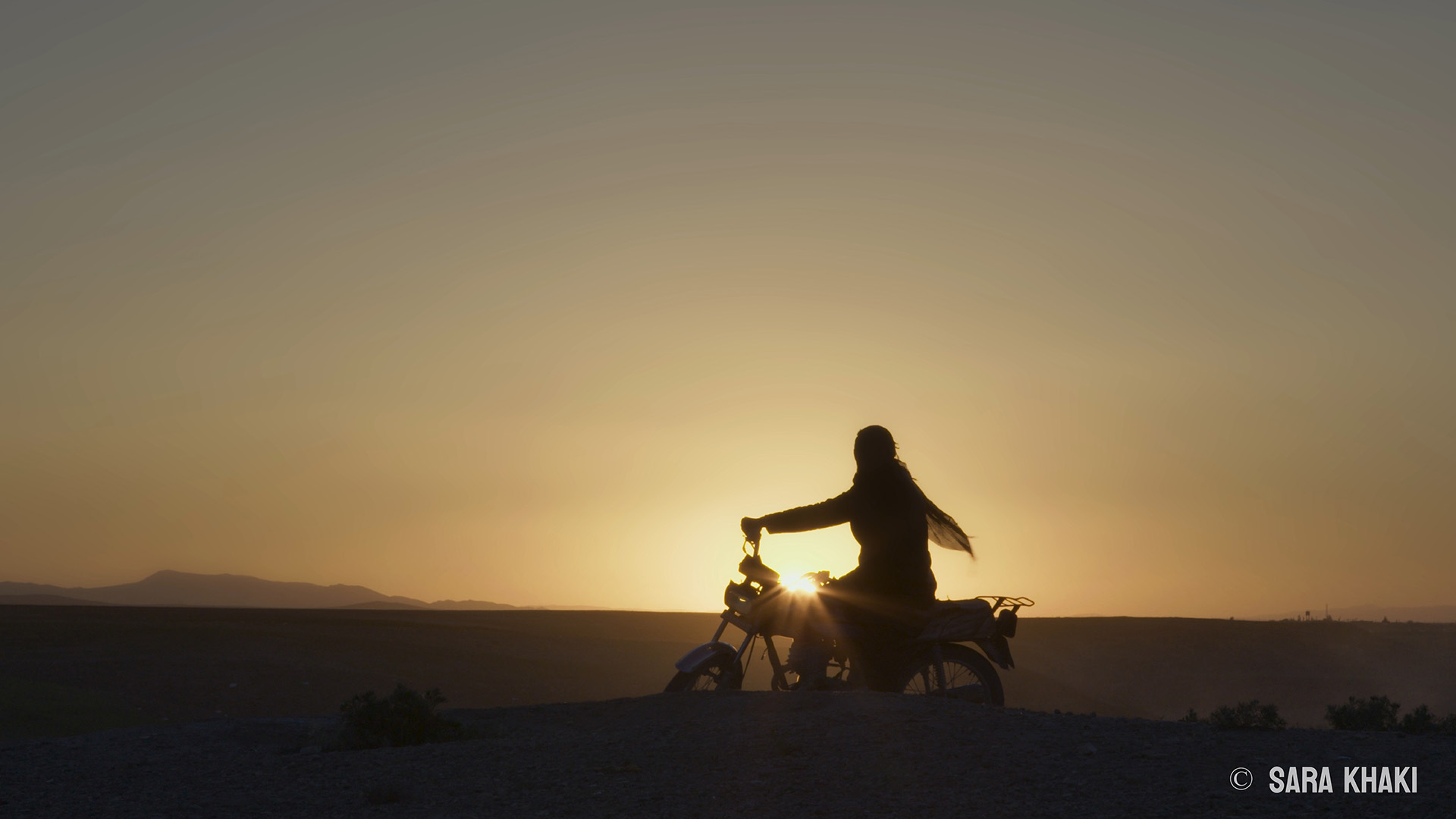
Winner of the Grand Jury Prize in the World Cinema Documentary Competition at the 2025 Sundance Film Festival and a contender for the 2026 Academy Award for Best Documentary Feature, Cutting Through Rocks follows Iran’s first female councilor in a rural region. Riding a motorcycle across rugged terrain, she enters schools and households, confronting child marriage and patriarchal constraints. Directors Sara KHAKI and Mohammadreza EYNI sensitively capture the nuances of women’s lived realities and social atmospheres, portraying resilience and determination in the face of adversity.
Emerging Iranian filmmaker Ali ASGARI, whose debut Disappearance was selected for the Venice Film Festival’s Orizzonti section, presents his latest work Divine Comedy. The film centers on a world-renowned director whose work is banned for using his native dialect. As he attempts to stage an underground screening, he discovers that finding a cinema is harder than finding drugs. Through Kafkaesque storytelling and dark humor, the film critiques authoritarian control while expressing the frustrations of filmmakers constrained by censorship.
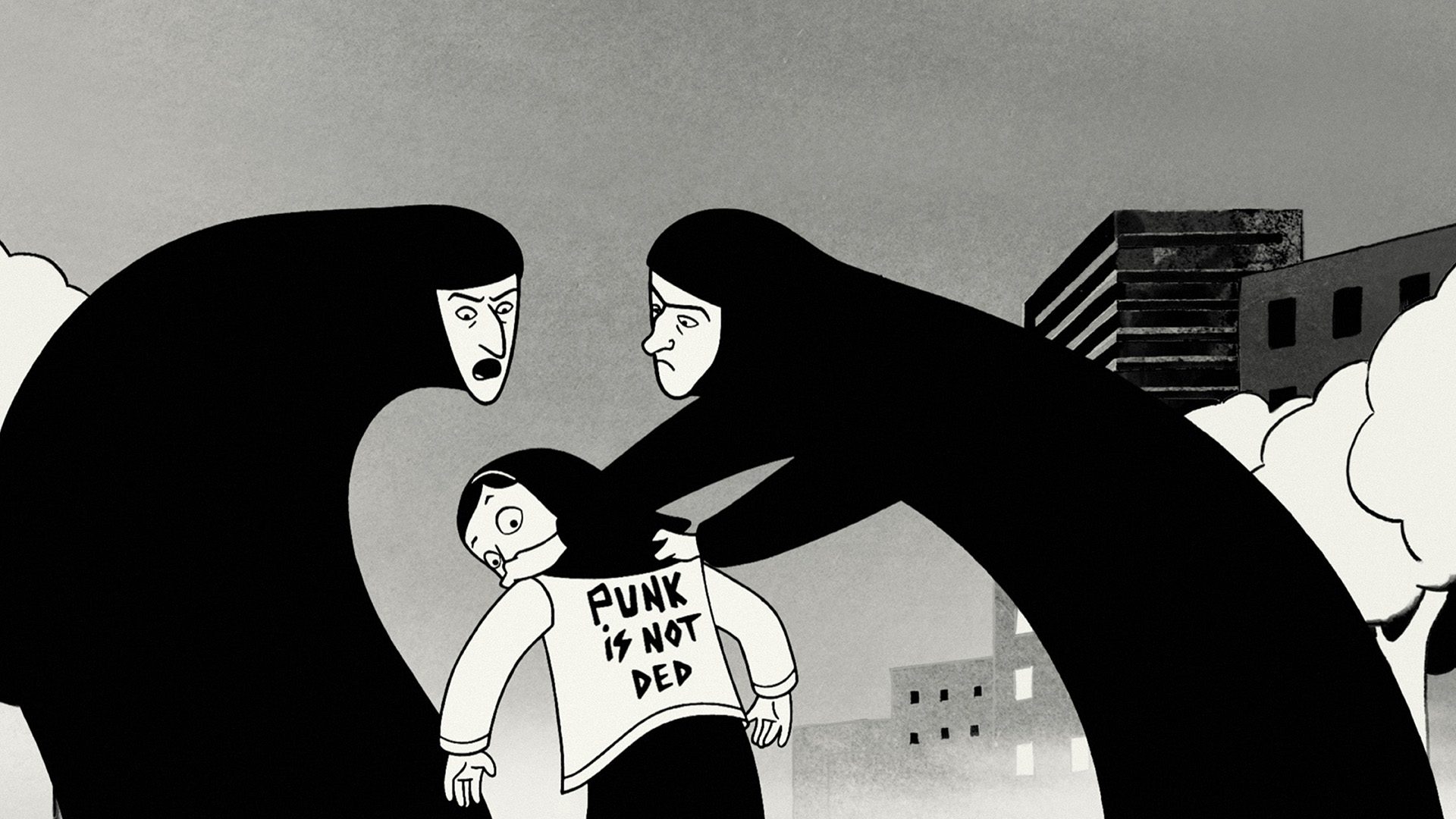
The newly restored 4K version of Persepolis, adapted from the graphic novel Persepolis: The Story of a Childhood, will also be screened. Directed by Marjane SATRAPI, the first female filmmaker nominated for the Academy Award for Best Animated Feature, alongside Vincent PARONNAUD, the film traces the coming-of-age journey of a nine-year-old girl amid the political upheavals from the late Pahlavi era to the Iran-Iraq War. Its minimalist visual style and candid tone convey deep emotional resonance and humanistic insight, earning the Jury Prize at the 2007 Cannes Film Festival. Notably, the film faced bans and controversies in both Iran and the United States, mirroring the protagonist’s turbulent life while prompting reflection on freedom of expression and film censorship.
The 28th Taipei Film Festival announced today (April 17) that it will continue its signature “City in Focus” program by turning its gaze to the mysterious and poetic city of Tehran. Bridging film history classics with contemporary highlights, the section “Tehran: Classics Collection” unveils five internationally acclaimed works in newly restored formats, including Between Dreams and Hope, Black Rabbit, White Rabbit, Cutting Through Rocks, Divine Comedy, and the 4K restoration of Persepolis. These films, created by award-winning directors, offer profound reflections on contemporary Iranian society and its enduring resilience.
In addition, this year’s featured filmmaker, Bahram BEYZAIE, widely known as the “Shakespeare of Iran,” will be honored with six influential digitally restored works, including Downpour and Bashu, the Little Stranger. Blending ancient Persian culture with modern theatrical sensibilities, BEYZAIE’s films invite audiences to experience timeless cinematic poetry.
Winner of the Short Film Palme d’Or at the Cannes Film Festival, director Farnoosh SAMADI presents her second feature, Between Dreams and Hope, inspired by true events. The film follows a young transgender man and his partner as they navigate legal barriers in pursuit of marriage rights. Through a tense and emotionally charged narrative, Samadi portrays moments of courage within restrictive traditions, challenging dominant ideologies and inspiring collective empathy.
Renowned for his precise mise-en-scène and narrative experimentation, Iranian director Shahram MOKRI, who won the Special Jury Prize in the Orizzonti section at the Venice Film Festival for Fish & Cat, returns with Black Rabbit, White Rabbit. Set on a film shoot, the story unfolds through a long-take structure that spirals into an infinite loop of a film-within-a-film. A prop master worried about real firearms, a young assistant desperate for an audition, and a woman who suspects her husband staged a car accident—all seemingly unrelated—become entangled in a surreal, absurd narrative that playfully expands cinematic boundaries.
Winner of the Grand Jury Prize in the World Cinema Documentary Competition at the 2025 Sundance Film Festival and a contender for the 2026 Academy Award for Best Documentary Feature, Cutting Through Rocks follows Iran’s first female councilor in a rural region. Riding a motorcycle across rugged terrain, she enters schools and households, confronting child marriage and patriarchal constraints. Directors Sara KHAKI and Mohammadreza EYNI sensitively capture the nuances of women’s lived realities and social atmospheres, portraying resilience and determination in the face of adversity.
Emerging Iranian filmmaker Ali ASGARI, whose debut Disappearance was selected for the Venice Film Festival’s Orizzonti section, presents his latest work Divine Comedy. The film centers on a world-renowned director whose work is banned for using his native dialect. As he attempts to stage an underground screening, he discovers that finding a cinema is harder than finding drugs. Through Kafkaesque storytelling and dark humor, the film critiques authoritarian control while expressing the frustrations of filmmakers constrained by censorship.
The newly restored 4K version of Persepolis, adapted from the graphic novel Persepolis: The Story of a Childhood, will also be screened. Directed by Marjane SATRAPI, the first female filmmaker nominated for the Academy Award for Best Animated Feature, alongside Vincent PARONNAUD, the film traces the coming-of-age journey of a nine-year-old girl amid the political upheavals from the late Pahlavi era to the Iran-Iraq War. Its minimalist visual style and candid tone convey deep emotional resonance and humanistic insight, earning the Jury Prize at the 2007 Cannes Film Festival. Notably, the film faced bans and controversies in both Iran and the United States, mirroring the protagonist’s turbulent life while prompting reflection on freedom of expression and film censorship.
Iranian New Wave Pioneer Bahram BEYZAIE: Six Masterpieces at Taipei
Celebrated as the “Shakespeare of Iran,” Bahram BEYZAIE is a poet, playwright, critic, and director whose lifelong study of Persian history and mythology deeply informs his work. Drawing from folklore and ritual symbolism, BEYZAIE is a key pioneer of the Iranian New Wave, influencing internationally renowned filmmakers such as Jafar Panahi and Asghar Farhadi. Refusing to conform to Islamic ideological frameworks, his films have long been banned in Iran, underscoring their artistic integrity and resilience. This year, the Taipei Film Festival presents four of his feature films and two short films in newly restored versions, celebrating his poetic cinematic legacy.
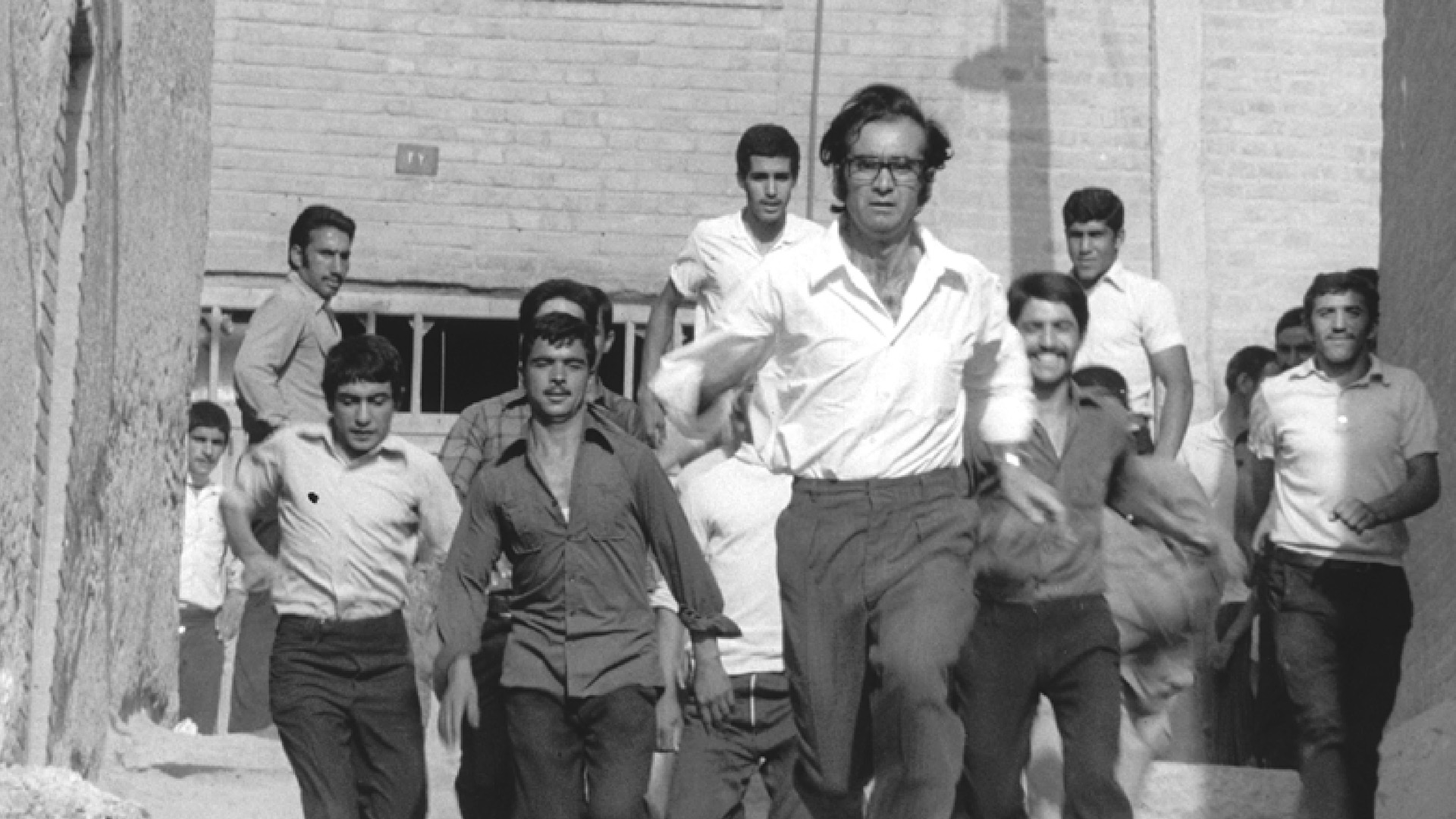
BEYZAIE’s groundbreaking debut feature Downpour portrays a young teacher who arrives with passion and idealism. Though beloved by his mischievous students, he struggles to fit into a conservative environment. Considered a foundational work of the Iranian New Wave, the film delicately captures social atmospheres and intellectual solitude, winning the Special Jury Prize at the 1972 Tehran International Film Festival. Its historical significance is further underscored by a restoration initiative led by legendary director Martin Scorsese.
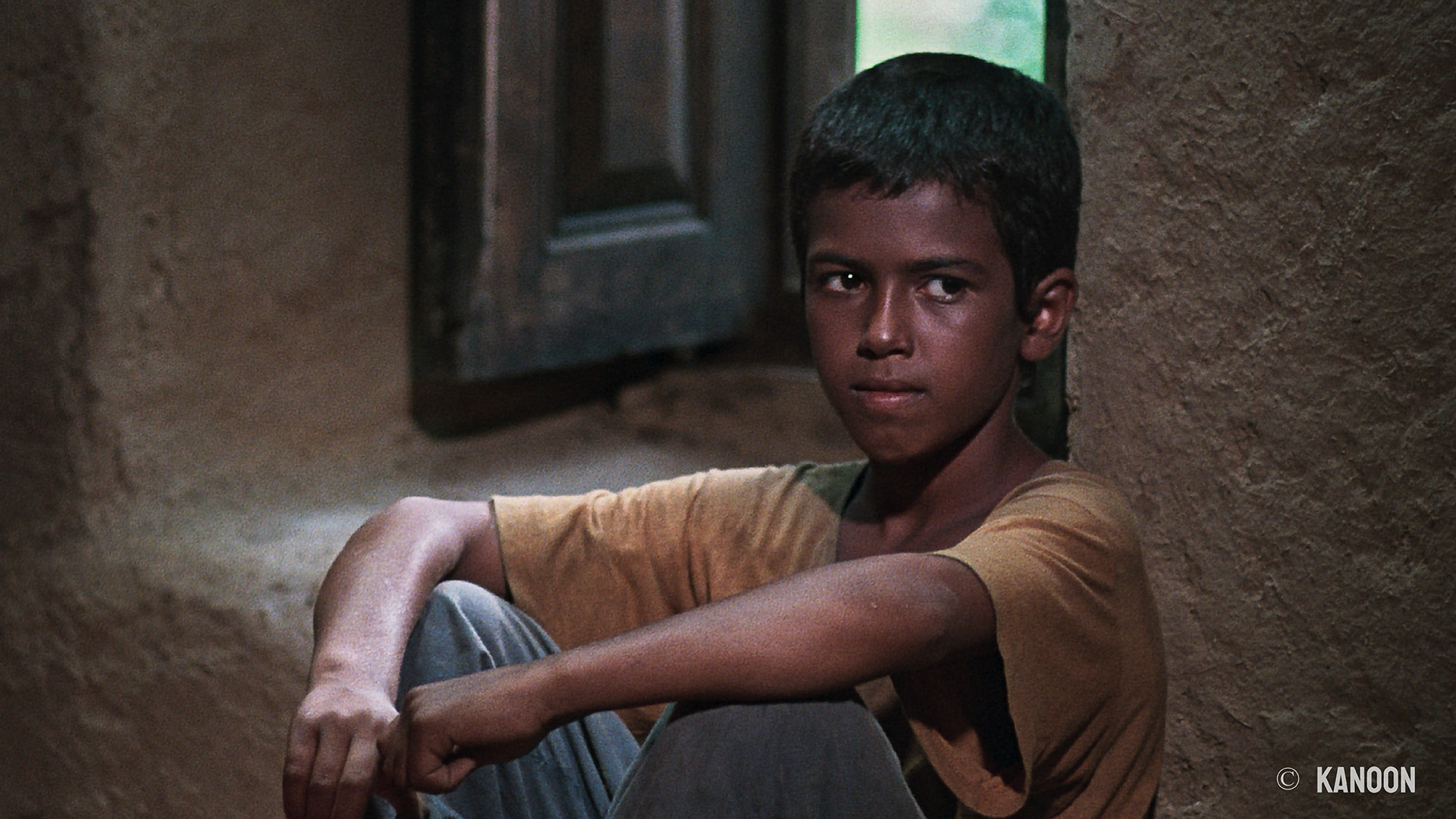
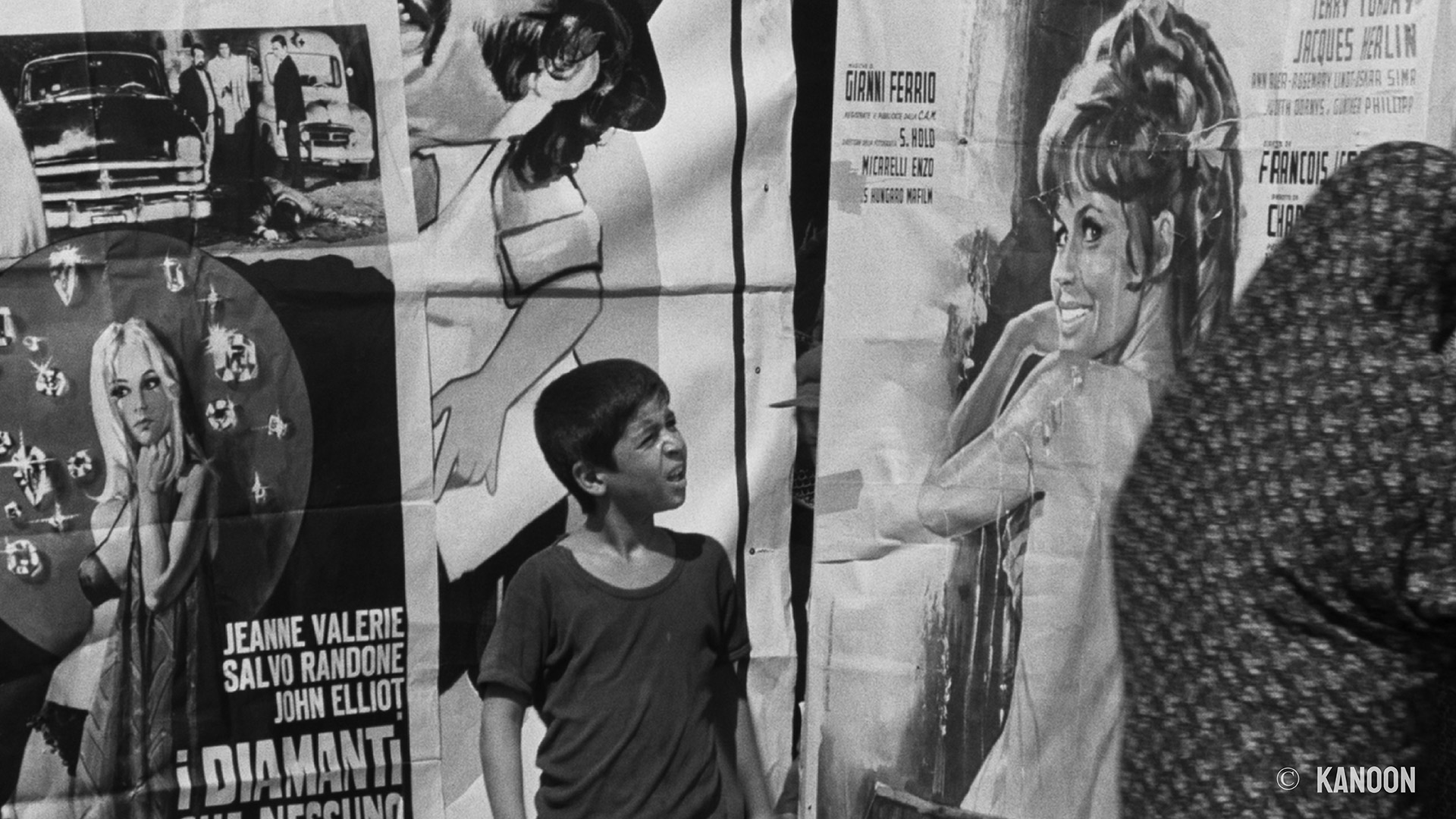
Equally acclaimed as a pinnacle of Iranian cinema, Bashu, the Little Stranger is set during the Iran-Iraq War and depicts a moving cross-cultural bond. A war-orphaned boy from the south flees to a northern village, where despite differences in language, culture, and appearance, he is embraced by a resilient mother raising three children alone. While villagers respond with suspicion and ridicule, a profound familial connection emerges.
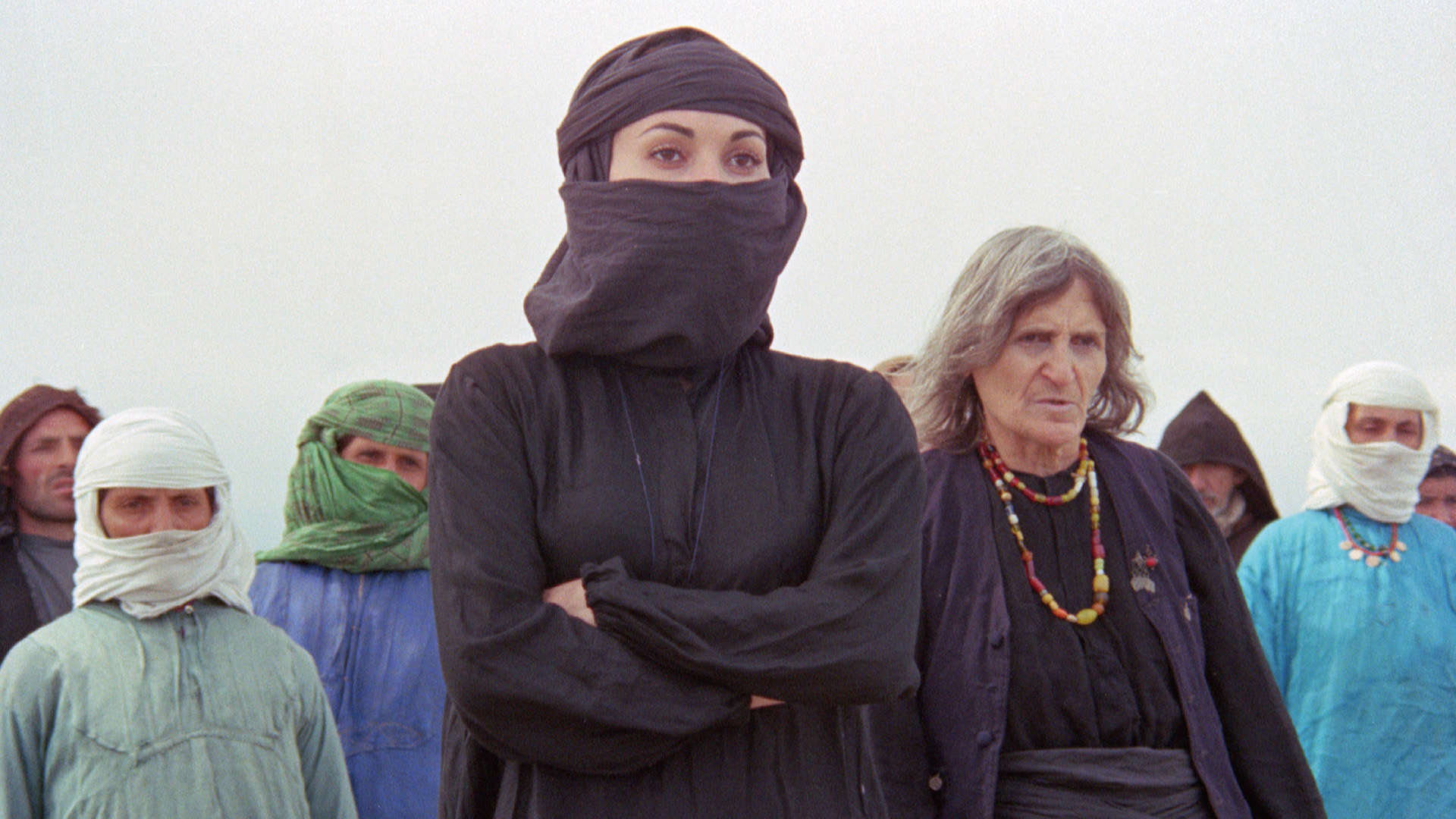
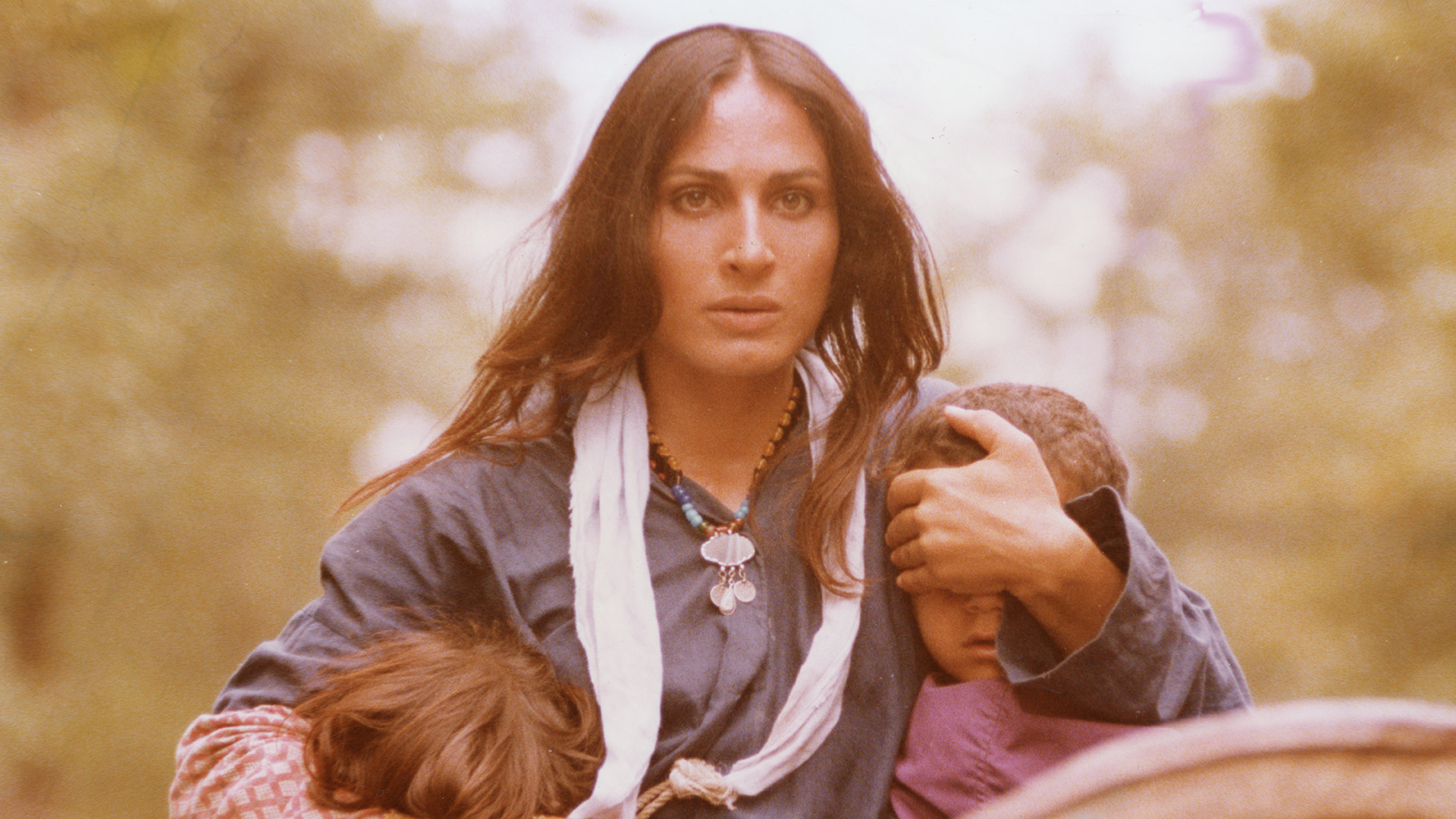
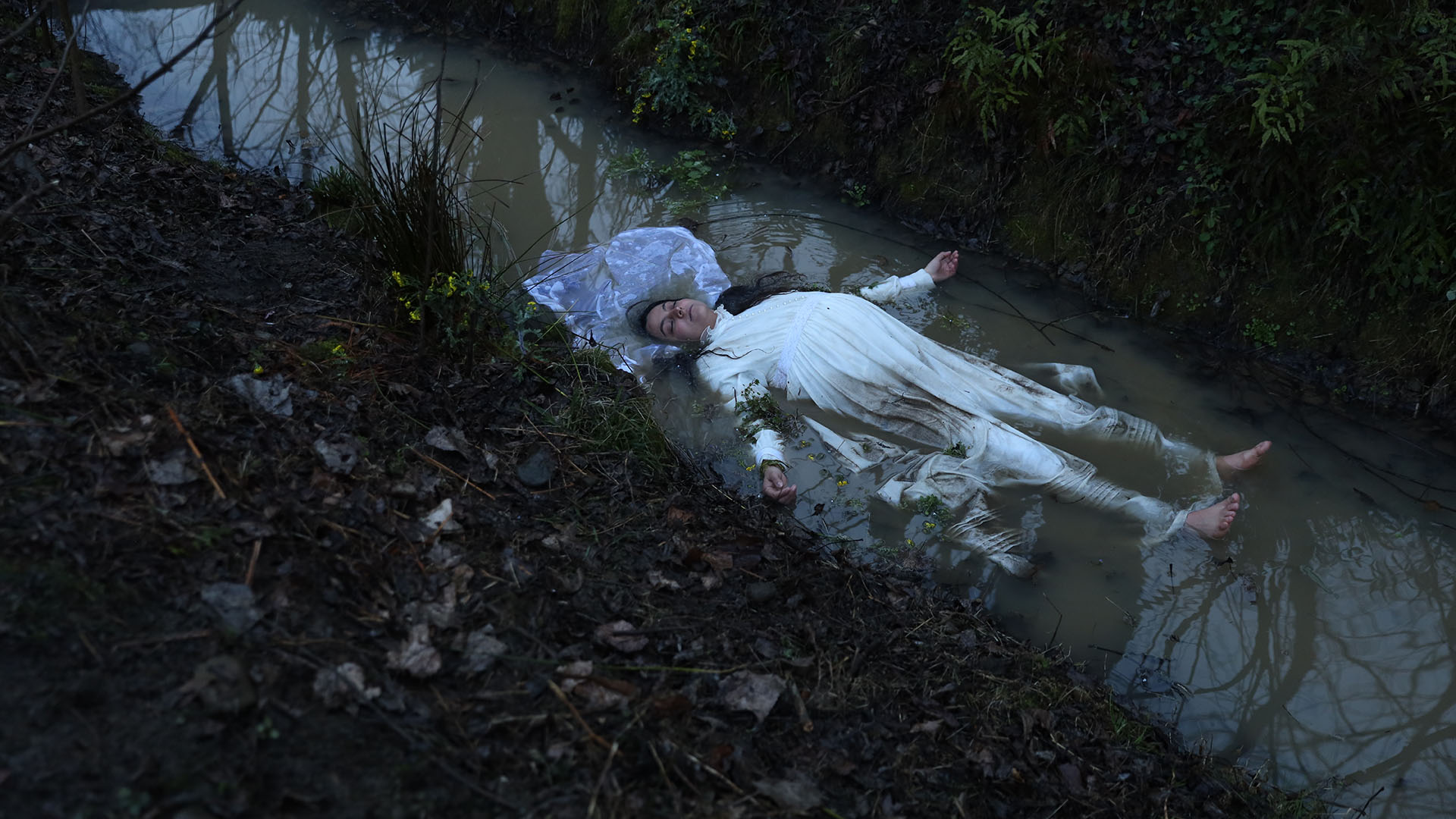
The Stranger and the Fog constructs an epic, enigmatic world: a mysterious man washes ashore, claiming he has lost his memory after an attack. As he attempts to integrate, suspicion grows among villagers while his past resurfaces. The film explores xenophobia and highlights the strength of female will. Meanwhile, Ballad of Tara showcases BEYZAIE’s deep engagement with Persian aesthetics, seamlessly blending mythology, folklore, and literature into a modern narrative. BEYZAIE also took on multiple roles in production, editing, and costume design, crafting a poetic tale of a widow and a spirit inhabiting a sword—an allegory resonating with the struggles of Iranian women.
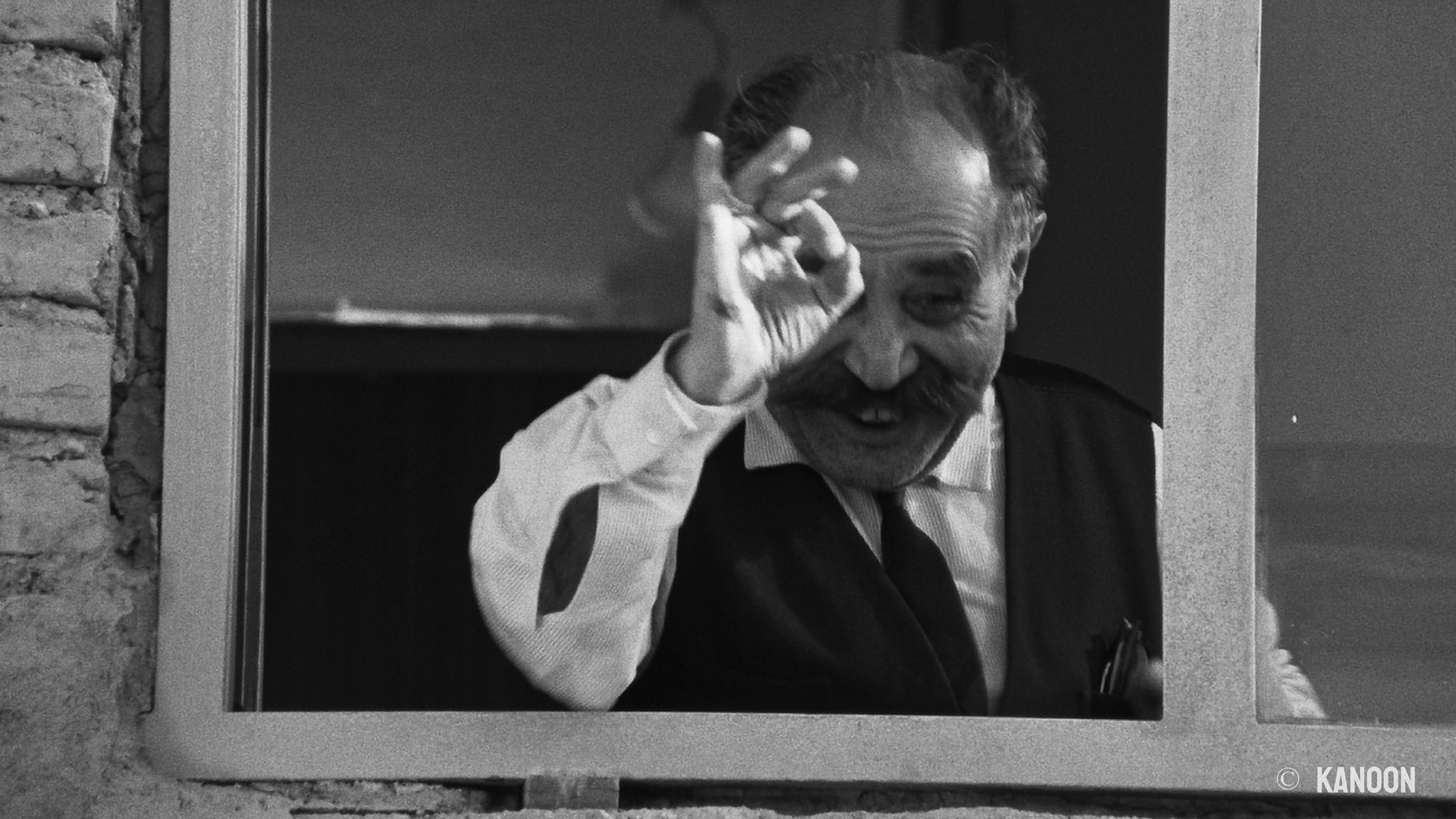
In addition to these feature films, two early short works will also be presented. Uncle Mustache, BEYZAIE’s debut, portrays the tension between a mustached man and children playing football. As adults drive the children away, silence gives way to unrest, subtly reflecting power dynamics between authority and the public in Iran. Journey follows a boy searching for his roots, traveling from Tehran’s outskirts into the urban center. Through encounters marked by indifference, hunger, and rejection, the film reveals the harsh realities of urban life and reflects broader issues of class division and identity anxiety in Iranian society.
The 28th Taipei Film Festival will take place from June 26 to July 11, 2026, at Zhongshan Hall, SPOT-Huashan Cinema, and Eslite Cinema in Taipei. The full program lineup and event details will be announced soon. Nominations for the two major competitions—the Taipei Film Awards and the International New Talent Competition—are expected to be revealed in mid-May. For more information, please visit the official website: https://www.taipeiff.taipei/tw/.